Cute Bunny Bag Tie Embroidery Design Review
As an embroidery designer who has spent years digitizing files for small businesses, boutique brands, and commercial apparel decorators, I approach every new machine embroidery design with a critical eye. It is not enough for a file to look pretty on a screen; it must perform flawlessly under the needle, withstand washing, and elevate the brand identity of the client using it. Today, I am reviewing the Cute Bunny Bag Tie Embroidery Design, a digital asset that promises to bring springtime whimsy into kitchen organization and beyond.
This review is written specifically for small business owners, Etsy sellers, merch creators, and product designers who are considering this file for branded merchandise. We will look past the initial cuteness to evaluate its practical application in real-world commercial embroidery projects.
First Impressions: Visual Personality and Brand Fit
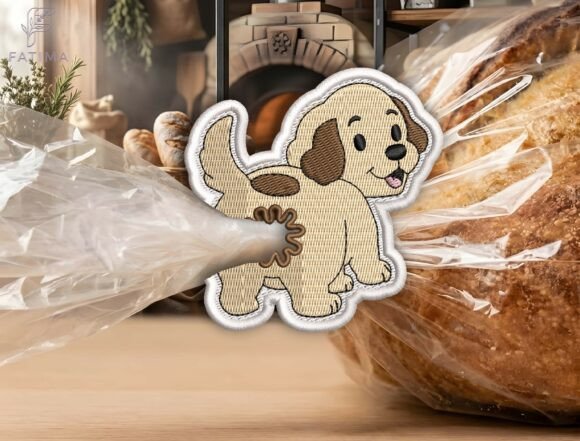
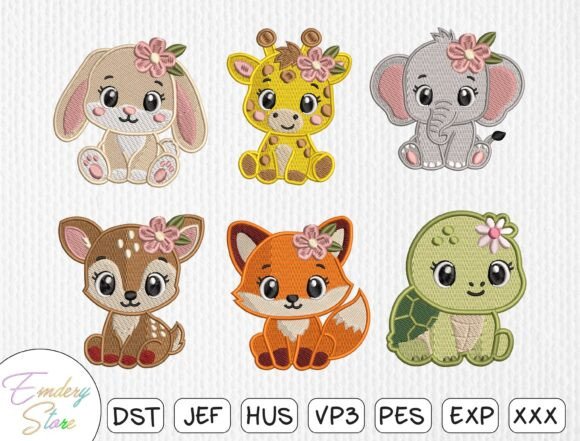
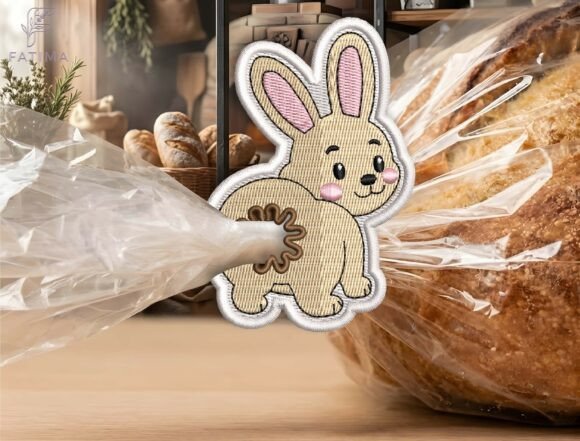
The Cute Bunny Bag Tie Embroidery Design immediately strikes a balance between playful charm and functional clarity. The description highlights elements like bunnies, bread, and tulips, suggesting a theme rooted in warmth, home, and natural sweetness. For brands in the bakery, florist, pet care, or handmade goods sectors, this visual language is incredibly potent. It feels friendly, rustic, and distinctly handmade.
However, from a professional standpoint, "cute" can sometimes translate to "cluttered" if the digitization is not precise. My initial assessment focuses on whether the design maintains its integrity when scaled down. A design that relies too heavily on tiny details may lose its impact when used as a small patch or a chest logo accent. The key here is the balance of negative space and stitch placement. If the bunny’s features and the accompanying botanical elements are well-defined, this design can serve as a strong visual anchor for a brand that wants to appear approachable and trustworthy.
Real-World Business Applications
Where does this digital embroidery file shine in a commercial setting? Its versatility is its greatest asset for small business merch. Here is how I envision this design performing across various products:
- Branded Patches: This is arguably the best use case. An embroidered patch featuring this bunny motif can be sewn onto canvas tote bags, denim jackets, or aprons. It acts as a removable brand badge that customers love to collect.
- Apron Embroidery: For bakeries and cafes, staff uniforms are walking billboards. Placing this design on the chest pocket or lower hem of an apron adds a touch of personality without overwhelming the uniform. It signals attention to detail and care.
- Tote Bag Design: Reusable bags are a staple for eco-conscious brands. A centered or corner-placed version of this design transforms a plain canvas bag into a desirable retail item.
- Cap Embroidery: While possible, this requires caution. The curved surface of a cap distorts designs. If the bunny motif is compact, it can work as a side-panel accent or a small front-center logo, but it must be simplified to avoid puckering.
- Product Packaging Accents: Imagine this stitched onto a small fabric tag attached to handmade soaps, jams, or baked goods. It elevates the perceived value of the finished product significantly.
For Etsy sellers and crafters, this design fits perfectly into the Animals and Embroidery niches, which remain evergreen categories. It allows for seasonal marketing pushes during spring and Easter while remaining relevant year-round for brands focused on comfort and home.
Technical Considerations and Production Risks
Before loading this file into your machine, there are critical technical factors to address. Commercial embroidery demands consistency, and several variables can affect the quality of the Cute Bunny Bag Tie Embroidery Design.
Stitch Density and Fabric Texture: Whimsical designs often include fine lines for whiskers or flower petals. If the stitch density is too high, these areas may become stiff or cause the fabric to pucker. Conversely, if the density is too low, the backing material might show through. Always test this design on the actual fabric texture you intend to use. Heavy canvas behaves differently than lightweight cotton or poly-blend uniforms.
Scale and Legibility: One common mistake is assuming a design looks good at all sizes. You must check if the design works at small patch sizes. Zoom in on your digitizing software. Are the eyes of the bunny distinct? Do the tulip petals merge into a blob? If the details vanish below two inches, you may need to request a simplified version or limit the design’s use to larger items like tote bags rather than small labels.
Thread Colors and Contrast: The description mentions springtime whimsy, which implies pastel palettes. However, for brand recognition, contrast is king. Test the design in black and white first. If the outline disappears against the background in monochrome, it will likely lack definition on dark uniforms or low-contrast fabrics. Ensure your thread colors provide enough separation between the bunny, the bag tie element, and the background.
Enhancing Brand Identity and Customer Trust
Why invest in a specific design like this? Because consistent visual assets build brand identity. When a customer sees the same high-quality bunny motif on your apron, your tote bag, and your packaging, it creates a cohesive narrative. This visual consistency fosters trust. It tells the buyer that you are a professional operation that cares about presentation.
Furthermore, handmade products benefit immensely from the tactile nature of embroidery. Unlike printed logos, an embroidered patch or direct stitch has depth and texture. It feels premium. For small businesses competing against mass-produced goods, this tactile difference can be the deciding factor for a customer. It signals effort, quality, and authenticity.
Practical Designer Notes for Implementation
To ensure success with the Cute Bunny Bag Tie Embroidery Design, follow these practical steps before full production:
- Verify File Specifications: The product description does not list exact stitch count, file format, or hoop size. You must check these details before purchase. Ensure the file format is compatible with your machine (e.g., PES, DST, JEF).
- Use Proper Stabilizer: For stretchy fabrics like t-shirts or thin cottons, use a cut-away stabilizer to prevent distortion. For stable fabrics like canvas or denim, a tear-away may suffice, but always test first.
- Create a Printable Mockup: Before stitching, create a printable mockup or digital composite showing the design on your intended product. Share this with clients for approval if you are doing custom work. This manages expectations and reduces waste.
- Check Commercial Licensing: Confirm commercial licensing before business use. Ensure the license allows you to sell physical items featuring this design. Most designers allow this, but restrictions on sharing the digital file itself are standard.
- Compare Beside Other Assets: Place this design next to your existing logo and other design assets. Does it complement your current aesthetic, or does it clash? Consistency is key to professional branding.
In conclusion, the Cute Bunny Bag Tie Embroidery Design offers significant potential for small businesses looking to add warmth and personality to their merchandise. It is not just a decorative element; it is a strategic tool for enhancing brand identity and customer engagement. By paying attention to technical details like stitch density, hoop size, and fabric compatibility, you can transform this digital file into a high-value physical asset. Whether used for apron embroidery, tote bag design, or branded patches, this design invites a sense of joy and quality that resonates with modern consumers.