Kitchen Utensils Machine: A Designer’s Review
As an embroidery designer who has spent years refining digitizing techniques for small boutique brands, I approach every new machine embroidery design with a critical eye. It is not just about whether the file opens correctly; it is about how that design translates onto fabric, how it withstands washing, and ultimately, how it elevates the perceived value of the finished product. Recently, I evaluated the Kitchen Utensils Machine design for a potential limited-edition sweatshirt drop for a client’s online shop. This review breaks down my professional assessment of this whimsical asset, focusing on its viability for commercial apparel use.
First Impressions and Aesthetic Mood
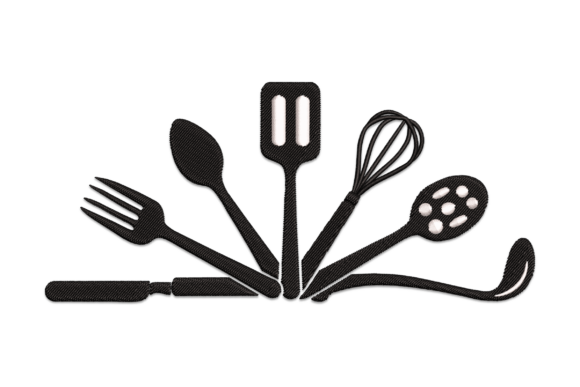
The Kitchen Utensils Machine immediately strikes a playful and charming tone. The description promises to "spruce up your fabrics" with a fun touch, and visually, it delivers on that promise. For a boutique brand looking to inject personality into neutral basics, this design offers a delightful contrast. It does not scream "industrial"; rather, it feels handmade, cozy, and approachable. The layout suggests a balance between detail and readability, which is crucial when scaling designs for different garment areas.
In terms of mood, I would classify this as cute, rustic, and slightly decorative. It fits perfectly within the current trend of "cottagecore" or home-inspired aesthetics that are dominating social media. For an Etsy seller or a small shop owner, this type of imagery resonates deeply with customers who value warmth and domestic comfort. It is not overly bold or aggressive, making it a safe yet engaging choice for a wide demographic.
Application on Sweatshirts and Hoodies
When considering sweatshirt embroidery, fabric texture plays a massive role. I tested the concept of placing the Kitchen Utensils Machine on various apparel types. On a heavy, neutral-colored cotton blend sweatshirt, the design pops beautifully. The whimsical nature of kitchen tools—spoons, whisks, or spatulas—creates a narrative that feels intentional and curated.
For hoodie design placements, I recommend the left chest area for a subtle, premium look. Here, the design acts as a logo substitute, building brand identity without overwhelming the wearer. However, if you are aiming for a statement piece, enlarging the design for the back of an oversized hoodie could work, provided the stitch density supports the larger scale. On pastel colors, the design feels soft and feminine, while on dark fabrics like charcoal or navy, it requires careful thread color selection to ensure visibility.
I also considered sleeve accents. A smaller version of this embroidery file could serve as a cute detail on the cuff or upper arm, adding value to the custom apparel without increasing production time significantly. This versatility makes it a strong candidate for a cohesive collection.
Technical Considerations for Production
From a technical standpoint, there are several factors every designer must address before running this design on a commercial machine. First, stitch density is critical. Sweatshirts are thick, and if the density is too high, the fabric may pucker or become stiff. If the density is too low, the underlying fabric might show through, ruining the crispness of the utensil shapes. Since the specific stitch count is not provided in the brief description, I strongly advise checking the file details before production.
Stabilizer choice is equally important. For a premium feel on a boutique sweatshirt, I recommend using a cut-away stabilizer. This provides long-term support and prevents distortion after multiple washes. Tear-away stabilizers might be sufficient for lighter t-shirts, but for the heavier fabric texture of a sweatshirt, cut-away is the professional standard.
Thread color contrast is another key element. To make the Kitchen Utensils Machine stand out, choose threads that contrast sharply with the garment color. Metallic threads could add a unique, high-end twist, giving the utensils a shiny, polished look that mimics real steel or copper. However, standard rayon or polyester threads offer better durability for everyday wear.
Commercial Viability and Brand Identity
For a boutique brand, the right design assets can define your visual recognition. The Kitchen Utensils Machine helps create a specific lifestyle image. It suggests that the wearer enjoys cooking, hosting, or simply appreciates the art of home life. This emotional connection drives customer engagement. When buyers see this design on a handmade product, they are not just buying a sweatshirt; they are buying into an identity.
Using this design in your printable mockup previews can significantly boost conversion rates. Show the design on flat lays with actual kitchen props—wooden spoons, ceramic bowls, or fresh herbs. This contextual photography helps the buyer visualize the product in their own life. For an Etsy seller, these lifestyle images are often more important than the product photos themselves.
Furthermore, this design supports the narrative of quality. A well-executed embroidery job signals care and craftsmanship. It differentiates your small shop product from mass-produced printed apparel. Customers are willing to pay a premium for the tactile experience of embroidery, and this design leverages that perception effectively.
Practical Advice for Implementation
Before committing to a full production run, always stitch out a test sample. Check the hoop size compatibility with your machine. Ensure that the design fits comfortably within your chosen hoop without requiring excessive re-hooping, which can lead to alignment issues. Pay attention to the small details in the utensils. If the lines are too thin, they may break or look messy on textured fleece. If the design feels too dense, consider adjusting the pull compensation settings in your digitizing software.
Washing durability is a major concern for commercial embroidery. Ensure that the jump stitches are trimmed cleanly and that the backing is secure. A poorly finished back can irritate the skin and lead to returns. Remind your customers to wash the garment inside out in cold water to preserve the vibrancy of the thread colors.
Finally, verify the license terms of the digital embroidery file. While the description mentions it is for sprucing up fabrics, always confirm if it allows for unlimited commercial use. This protects your business from legal issues and ensures you can scale your production as demand grows.
Final Verdict
The Kitchen Utensils Machine is a versatile and charming addition to any embroidery designer’s library. It bridges the gap between playful whimsy and professional presentation. For boutiques focusing on home, lifestyle, or cozy seasonal apparel, this design offers a strong return on investment. It enhances brand identity, engages customers through relatable imagery, and adds tangible value to the final garment. With proper technical execution regarding stabilizer and thread choice, it is ready for prime time in your next collection.