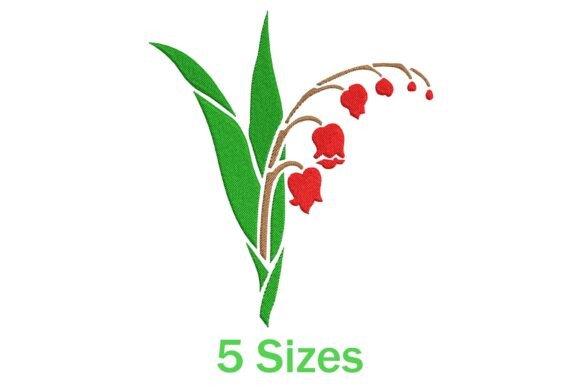
Lily of the Valley Embroidery Review for Apparel
As an embroidery designer who spends countless hours digitizing and testing files for boutique collections, I am always on the lookout for designs that balance whimsy with wearability. When I stumbled upon Lily of the Valley in the Single Flowers category on Creative Fabrica, my immediate thought was not just about the aesthetic, but about its potential application in a real-world product line. For those of us running small clothing brands or selling handmade products on Etsy, finding the right machine embroidery design can make or break a seasonal collection.
First Impressions: Visual Personality and Mood
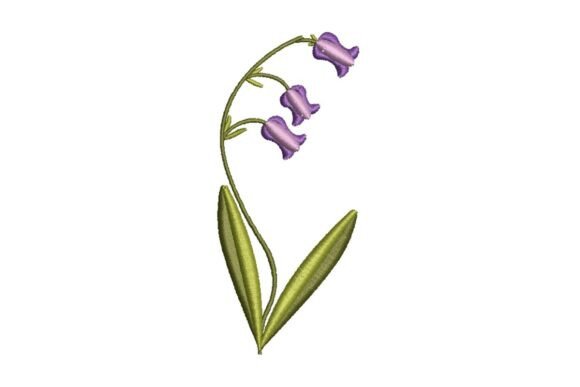
The first thing that strikes you about this design is its playful elegance. It does not try to be overly complex or dense, which is often a trap for floral motifs. Instead, it offers a lively, quirky touch that feels fresh rather than dated. The visual personality leans towards a blend of classic botanical charm and modern minimalism. This makes it incredibly versatile. It is not so bold that it overwhelms a garment, nor is it so subtle that it gets lost in the fabric texture.
For apparel decorators, this distinction is crucial. A design that feels "premium" without being heavy is ideal for contemporary fashion. The stitching mood suggests a lightness that pairs beautifully with cozy fabrics. Whether you are aiming for a rustic vibe or a clean, trendy look, this embroidery file provides a solid foundation. It feels feminine yet approachable, avoiding the overly ornate styles that can sometimes alienate younger demographics looking for casual, everyday wear.
Applying the Design to Sweatshirts and Hoodies
My primary test case for any new digital embroidery file is how it performs on sweatshirt embroidery projects. Sweatshirts and hoodies present unique challenges due to their thickness and pile. I imagined placing Lily of the Valley on a neutral, oatmeal-colored oversized hoodie. The result, even in my mental mockup, was striking. The delicate lines of the flower contrasted nicely against the substantial weight of the fleece.
For hoodie design placements, I recommend considering the left chest area for a subtle boutique brand feel. This placement allows the design to act as a logo-like identifier without dominating the garment. Alternatively, using it as a sleeve accent on an oversized sweatshirt can create a high-end, custom apparel look that justifies a higher price point. However, one must be cautious with curved surfaces. The ribbed cuffs of a hoodie can distort embroidery if the hoop size is not managed correctly or if the stabilizer is insufficient.
When working with dark apparel, such as charcoal or navy hoodies, thread color contrast becomes critical. Lighter thread colors will pop, enhancing the visibility of the stitch density. Conversely, on pastel hoodies, you might opt for tonal threading to keep the look soft and understated. This flexibility is a major selling point for any small shop product lineup.
Versatility Across T-Shirts and Accessories
Beyond heavy knits, this design shines on t-shirt embroidery. Cotton jerseys are thinner and more prone to puckering, so the moderate detail level of this Single Flowers design is advantageous. It does not require excessive stabilization that might stiffen the shirt uncomfortably. I envision this working beautifully on the back of a t-shirt, perhaps paired with simple text, creating a balanced composition for social media graphics and lifestyle product photos.
The versatility extends to non-apparel items as well. For tote bag design projects, the durability of the stitch pattern holds up well against canvas textures. It adds a touch of handmade product charm that buyers love. For denim jackets, the design provides a nice break from the ruggedness of the fabric, adding a quirky, personalized element. These cross-category applications mean you can maximize the value of a single purchase, creating a cohesive look across your entire boutique merchandise range.
Practical Designer Notes and Technical Considerations
Before launching any commercial embroidery production, technical diligence is non-negotiable. While the product description highlights its suitability for various items, it does not specify exact stitch count, file formats, or compatible hoop sizes. As a professional, I advise you to confirm these details on the Creative Fabrica product page before downloading. Knowing whether the file is optimized for a 4x4 or 5x7 hoop will dictate your placement strategy.
Always test on scrap fabric that matches your final garment material. Fleece behaves differently than cotton jersey. Check your stabilizer choice; a cut-away stabilizer is often safer for stretchy fabrics like sweatshirt materials to prevent distortion over time. Inspect the stitch density closely during the test run. If the density is too high for lightweight fabrics, it may cause wrinkling or tearing. If it is too low, the backing might show through on dark garments.
Review thread color contrast carefully. What looks good on screen may need adjustment in real life. Compare placement options by hooping the actual garment if possible, or use printable mockup tools to visualize the scale. This step ensures visual consistency across your product line, which is key to building buyer trust and brand identity.
Enhancing Brand Value and Customer Engagement
Using a well-chosen design like Lily of the Valley can significantly affect your apparel value. It signals attention to detail and quality, fostering customer engagement. When buyers see a cohesive, thoughtful design on your Etsy listings or website, it reinforces your professional presentation. It transforms a basic garment into a finished product with perceived higher value.
For creative entrepreneurs and digital sellers, this type of design supports a strong brand identity. It is recognizable and repeatable, allowing for seasonal variations without losing core aesthetic appeal. Whether you are creating a spring collection or a cozy winter line, this embroidery file offers the decorative strength needed to stand out in a crowded market. It invites customers to appreciate the craftsmanship, encouraging them to share their purchases on social media, which further drives organic growth for your small business.
In conclusion, Lily of the Valley is a promising addition to any embroidery designer’s library. Its blend of playfulness and elegance makes it suitable for a wide range of boutique apparel and accessory projects. By paying attention to technical details like stabilizer choice and fabric texture, you can leverage this design to create high-quality, commercially viable products that resonate with your target audience. Always remember to verify licensing terms for commercial use on the platform to ensure your business operations remain compliant and protected.