Onion Harvest: A Designer’s Review for Branded Merch
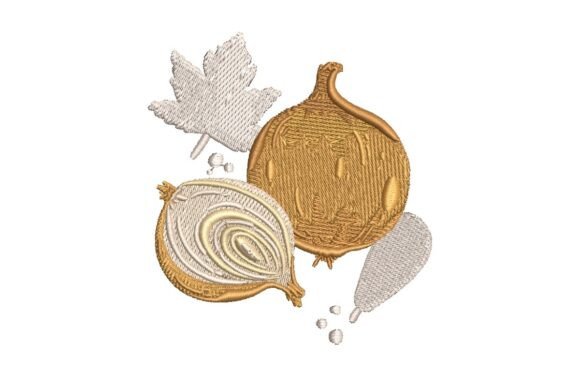
As an embroidery designer who has spent years digitizing files and consulting with small business owners, I approach every new machine embroidery design with a critical eye. It is not enough for a pattern to look pretty on a screen; it must perform under the needle, survive the wash cycle, and elevate the brand it represents. Recently, I evaluated Onion Harvest, a beautifully stitched embroidery design featuring whole and sliced onions, to determine its viability for commercial use. This review focuses on how this piece functions within the context of small business merchandise, branded patches, and custom apparel.
First Impressions: Visual Personality and Brand Fit
The immediate impression of Onion Harvest is one of rustic warmth. The inclusion of both whole and sliced onions suggests a narrative of freshness and preparation, which aligns perfectly with kitchen decor and farm-themed projects. For a designer, the visual weight of the subject matter is crucial. Onions have organic, layered shapes that translate well into thread, provided the digitizer has managed the stitch density effectively. The design feels handmade yet professional, striking a balance that appeals to modern consumers who value artisanal quality.
This aesthetic is particularly powerful for businesses in the food sector. Whether you run a boutique bakery, a local café, or a florist shop, the imagery communicates transparency and natural ingredients. It does not scream "corporate"; instead, it whispers "crafted." This distinction is vital for brands trying to differentiate themselves from mass-produced competitors. The design serves as a visual anchor for a brand identity that prioritizes nature, sustainability, and homegrown values.
Real-World Applications for Small Business Merch
When considering Onion Harvest for small business merch, versatility is key. Here is how this design performs across various product categories:
- Embroidered Patches: This is perhaps the strongest application. A patch allows for high detail without worrying about garment distortion. You can create iron-on or sew-on patches for customer loyalty programs or as add-ons for tote bags. The layered look of the sliced onions provides excellent texture in a patch format.
- Apron Embroidery: For culinary businesses, staff uniforms are walking billboards. Placing Onion Harvest on the chest pocket or lower corner of a heavy-duty canvas apron adds a touch of personality. It reinforces the professional yet approachable vibe of your kitchen staff.
- Tote Bag Design: Canvas totes are a staple for eco-conscious brands. The rustic nature of the onion motif complements the natural texture of cotton canvas. Ensure you use a cut-away stabilizer to prevent puckering on this flexible fabric.
- Cap Embroidery: Using this design on the front of a cap requires caution due to the curved surface. However, if scaled down appropriately, it can work as a subtle side emblem or a back-panel detail, offering a unique alternative to standard text-only logos.
For Etsy sellers and crafters, this design offers a ready-made asset for creating instant best-sellers. By integrating Onion Harvest into your product line, you tap into the growing demand for cottage-core and farmhouse aesthetics. It transforms a simple item into a handmade product with a story.
Technical Considerations and Production Challenges
While the artistic merit of Onion Harvest is clear, practical execution requires attention to detail. As a designer, I always advise testing any new digital embroidery file before committing to a large production run. Here are the specific technical factors to monitor:
- Scale and Detail: The sliced onion elements contain internal lines representing layers. If you shrink the design too much for a small patch or a child’s garment, these details may merge, creating a blob of thread rather than a recognizable image. Always check the minimum recommended size provided by the digitizer.
- Fabric Texture: Textured fabrics like terry cloth or heavy denim can swallow fine details. Test the design on the exact material you intend to use. For smoother fabrics like poly-cotton blends, the definition of the onion rings will be sharper.
- Thread Colors: The success of this design relies heavily on contrast. Purples, whites, and yellows must be distinct. If you are embroidering on dark uniforms, consider using a lighter backing or adjusting the thread palette to ensure the design pops. Do not assume the default colors in the preview will work on every garment color.
- Stabilizer Selection: Because onions have rounded, organic shapes, improper stabilization can lead to distortion. Use a medium-weight cut-away stabilizer for stretchy fabrics and a tear-away for stable woven materials. This ensures the finished product maintains its shape after washing.
It is also essential to verify the hoop size requirements. If the design is large, you may need a 5x7 or larger hoop, which limits the types of machines and garments you can use. Always confirm these specifications in the product description before purchase.
Enhancing Brand Identity and Customer Trust
Beyond aesthetics, Onion Harvest plays a strategic role in building brand equity. Consistent visual elements create recognition. When customers see this specific embroidered motif on your packaging, your website, and your physical store, it builds a cohesive brand world. It signals attention to detail. A poorly executed embroidery job can damage trust, but a crisp, well-stitched design like this enhances perceived value.
For commercial embroidery projects, this design can be used as a seal of quality. Imagine placing a small version of Onion Harvest on the tag of a jar of homemade pickles or a bundle of fresh herbs. It acts as a signature, assuring the buyer of the artisanal origin of the product. This emotional connection drives repeat business and higher engagement on social media, where visual appeal is paramount.
Final Designer Notes and Best Practices
Before integrating Onion Harvest into your inventory, follow these final steps to ensure professional results:
- Create a Printable Mockup: Use digital tools to place the design on various products. This helps clients visualize the end result and approves the placement before you stitch a single thread.
- Test in Black and White: Convert the design to grayscale in your software. If the details disappear without color, the contrast is insufficient, and you may need to adjust stitch angles or densities.
- Verify Licensing: Ensure that the embroidery file comes with a commercial license if you plan to sell items made with it. Never assume a personal-use file covers business production.
- Compare with Existing Assets: Place Onion Harvest beside your current logo and other design assets. Does it complement them? Visual consistency is key to a professional brand presentation.
In conclusion, Onion Harvest is a strong contender for businesses looking to add a touch of nature and rustic charm to their merchandise. It is not just a decorative element; it is a tool for storytelling and brand reinforcement. By respecting the technical limitations of embroidery and applying the design thoughtfully, you can create high-value products that resonate with your audience. Whether for custom apparel, branded patches, or boutique decor, this design offers the professional polish needed to stand out in a crowded market.