Reviewing the 80s Rainbow Cassette Tape Applique
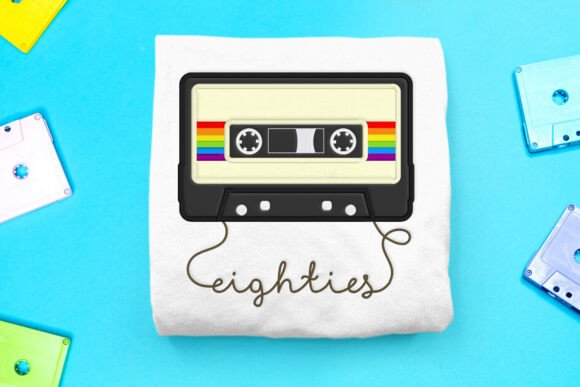
As a designer who has spent years digitizing and testing machine embroidery designs, I have developed a keen eye for what works in the hoop and what looks better on a screen than it does on fabric. When I first loaded the 80s Rainbow Cassette Tape Applique into my editing software, I was immediately struck by its nostalgic charm. It is not just a generic retro icon; it is a carefully constructed piece of visual storytelling that taps directly into the cultural zeitgeist of the 1980s. For those of us in the craft business, finding designs that evoke genuine emotion while remaining technically sound is a rare find. This design promises to relive the love of the eighties with a retro rainbow cassette tape where the magnetic tape spilling out of the bottom spells the word “eighties.” But does it hold up under the needle?
First Impressions and Visual Appeal
The immediate mood this design creates is playful, vibrant, and unapologetically fun. The use of a rainbow palette against the structured shape of a cassette tape creates a pleasing contrast between order and chaos. From a layout perspective, the composition is balanced. The cassette body provides a solid anchor, while the flowing tape adds movement and dynamism. This is crucial for embroidery project success because static designs can sometimes look flat on textured fabrics.
What stands out most is the integration of typography. The word “eighties” formed by the spilling magnetic tape is a clever design choice. It eliminates the need for separate lettering, which often causes registration issues in smaller sizes. However, the product description notes that the text changes from satin to bean stitch at the smallest size. This is a critical detail for any Etsy seller or small shop product creator. Satin stitches provide a smooth, premium finish but require a certain width to look clean. Bean stitches, while durable and less prone to snagging, have a different texture. Understanding this transition is key to managing customer expectations.
Real-World Application: The Tote Bag Test
To truly evaluate this machine embroidery design, I decided to test it on a canvas tote bag. Tote bags are a staple for craft business owners because they offer a large, stable surface area. I chose a natural cotton canvas, which provides enough tooth for the threads to grip without sinking in. The applique design nature of this piece means it involves fabric placement, which adds dimension and reduces stitch count compared to a full fill.
During the stitching process, the design performed admirably. The placement lines were clear, and the tack-down stitches held the fabric securely. The rainbow colors popped against the neutral background, creating a high-contrast look that is essential for visibility. For a personalized gift or a boutique item, this level of clarity translates to perceived value. Customers often equate crisp, bright embroidery with quality craftsmanship. The thread colors required are standard, making it easy to source materials without hunting for obscure shades.
Versatility Across Product Lines
Beyond tote bags, this design has significant potential in other categories. For sweatshirt embroidery, the applique technique is ideal because it prevents the garment from becoming stiff or heavy. A dense fill stitch on a fleece hoodie can feel uncomfortable, but an applique keeps it soft and wearable. Similarly, for baby embroidery, such as on a onesie or bib, the reduced stitch density is a major advantage. Babies have sensitive skin, and minimizing the amount of thread touching them is a best practice.
I also see this working well as an embroidered patch. Patches are trending in the handmade product market, and the distinct shape of the cassette tape makes it easy to cut out and apply to jackets, backpacks, or hats. For holiday embroidery or themed events, this design fits perfectly into 80s-themed parties or retro nostalgia collections. It serves as a strong design asset for anyone building a cohesive brand identity centered on vintage aesthetics.
Technical Considerations and Fabric Choices
While the design is versatile, it is not without its technical demands. The transition from satin to bean stitch in smaller sizes requires careful attention to stabilizer choice. For stretchy fabrics like jersey knits used in t-shirts, a cut-away stabilizer is non-negotiable to prevent distortion. On woven fabrics like denim or canvas, a tear-away may suffice, but I always recommend testing first.
One area to approach with caution is dark fabric. The rainbow colors are bright, but if the underlying fabric is black or navy, you must ensure the applique fabric is opaque enough to prevent show-through. Additionally, the small details of the cassette window and buttons need precise stitching. If your machine is not calibrated correctly, these tiny elements can become muddy. I advise running a test on scrap fabric of the same weight and texture as your final material. This step saves time, thread, and frustration.
For those considering this for custom apparel like caps, remember that curved surfaces distort designs. The horizontal orientation of the cassette tape might warp slightly on a rounded crown. It is better suited for the front panel of a trucker hat or a flat-brimmed cap where the surface is more stable. Always check the recommended hoop size before starting. While the description does not specify exact dimensions, ensuring your hoop can accommodate the largest size of the design is essential for proper alignment.
Commercial Viability and Brand Consistency
From a business perspective, the 80s Rainbow Cassette Tape Applique offers strong commercial potential. Nostalgia sells. It triggers an emotional response that can drive impulse buys at craft fairs or online. For digital embroidery file sellers, offering this as part of a retro bundle could increase average order value. For commercial embroidery shops, it is a quick-to-stitch item that allows for higher turnover.
However, professionalism is key. Before selling finished items, confirm the licensing terms. Most designers allow commercial use for physical products but restrict the resale of the digital file itself. Always read the license included with your purchase. Additionally, consider how this design fits your brand. If your shop focuses on minimalist modern decor, this might clash. But if your brand is playful, colorful, and eclectic, it is a perfect fit.
Final Verdict for Designers and Makers
In conclusion, the 80s Rainbow Cassette Tape Applique is a well-thought-out design that balances aesthetic appeal with technical practicality. It is not just a novelty item; it is a functional embroidery file that can elevate a range of products from tote bag design concepts to printable mockup portfolios. The smart use of applique reduces stitch count and wearability issues, while the rainbow palette ensures high visual impact.
My advice to fellow designers and makers is to respect the technical nuances. Test the satin-to-bean transition, choose your stabilizer wisely, and match the design to the right fabric. When executed with care, this design delivers a finished product that customers will love to wear, use, and gift. It is a solid addition to any library of Music themed or retro-inspired Embroidery assets. Whether you are creating a one-of-a-kind gift or stocking your Etsy shop, this design offers the reliability and charm needed to succeed in today’s competitive handmade market.