Teapot and Teacup: A Designer’s Review for Business Use
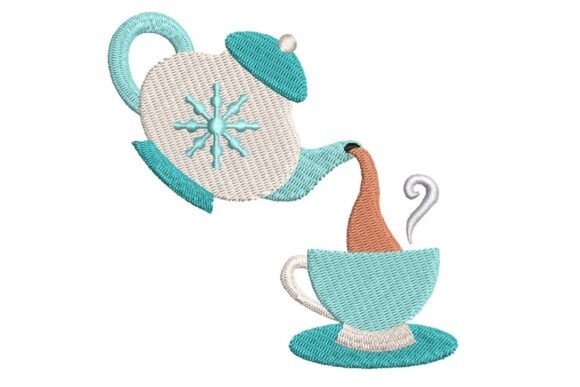
As an embroidery designer who has spent years digitizing files for small businesses, I approach every new machine embroidery design with a critical eye. It is not enough for a pattern to look cute on a screen; it must perform under the needle, survive the wash cycle, and elevate the brand it represents. Recently, I reviewed the Teapot and Teacup design, a charming depiction of a snowflake teapot pouring into a cozy teacup. While marketed toward winter-themed crafts and tea lovers, its potential extends far beyond seasonal hobby projects. For boutique owners, café operators, and handmade brands, this asset offers a unique opportunity to create cohesive, high-value merchandise.
First Impressions: Visual Personality and Brand Fit
The immediate impression of Teapot and Teacup is one of warmth and nostalgia. The imagery of a snowflake-adorned teapot suggests a blend of whimsical charm and classic elegance. For a business, visual personality is crucial. This design does not scream "modern minimalism" or "bold industrial." Instead, it communicates comfort, hospitality, and attention to detail.
If you run a local bakery, a florist shop, or a boutique selling home goods, this aesthetic aligns perfectly with a brand identity that values coziness and personal connection. The design feels handmade rather than mass-produced, which is a significant advantage for Etsy sellers and crafters looking to differentiate their handmade product lines from big-box competitors. However, for corporate uniforms or tech startups, this might feel too decorative. Knowing where your brand sits on the spectrum from playful to professional is the first step in deciding if this digital embroidery file belongs in your library.
Real-World Applications for Small Business Merch
When evaluating a design for commercial use, I always ask: where can this live on a physical product? The Teapot and Teacup motif is versatile, but it shines brightest in specific applications.
- Embroidered Patches: This is perhaps the strongest use case. A well-digitized patch allows customers to buy a standalone accessory. You can iron or sew these onto denim jackets, tote bags, or beanies. It turns a simple item into a collectible piece of small business merch.
- Apron Embroidery: For cafés and bakeries, staff uniforms are walking billboards. Placing this design on the chest pocket of an apron adds a touch of personality without overwhelming the uniform. It signals to customers that the staff cares about the craft, enhancing brand identity and trust.
- Tote Bag Design: Canvas totes are a staple for retail shops. A centered or corner-placed Teapot and Teacup creates an attractive, functional gift-with-purchase item. It encourages customers to carry your brand around town, providing free advertising.
- Cap Embroidery: While possible, cap fronts require careful scaling. The curved surface of a baseball cap can distort detailed designs. If you choose this route, ensure the snowflake details are simplified enough to remain crisp on the stiff fabric of a cap panel.
Technical Considerations and Production Challenges
Beauty means nothing if the stitch-out fails. As a designer, I must warn you about the technical realities of using Teapot and Teacup in production. The description mentions a snowflake teapot, which implies fine details and potentially intricate outlines. Here is what you need to watch for:
Stitch Density and Fabric Texture: Intricate snowflake patterns can lead to high stitch density. If the digitizer packed too many stitches into a small area, the fabric may pucker or tear, especially on lightweight materials like cotton tees. Always test on the actual fabric you plan to use. For textured fabrics like terry cloth towels or thick wool coats, you may need to adjust the underlay or simplify the design to prevent snagging.
Thread Colors and Contrast: The charm of this design relies on contrast. A white snowflake on a white teapot will vanish. When creating your custom apparel, choose thread colors that pop against your base material. If embroidering on dark uniforms, consider using metallic or bright pastel threads to highlight the snowflake elements. Always create a printable mockup to visualize color combinations before threading the machine.
Hoop Size and Stabilizer: Since the product comes with multiple embroidery file formats, you likely have options for different hoop sizes. However, do not assume a smaller hoop size automatically means a better fit. Check the dimensions. If the design is too large for a standard 4x4 hoop, you may need to resize it, which can distort proportions. Always use the appropriate stabilizer—cut-away for stretchy fabrics and tear-away for stable wovens—to ensure the finished product remains flat and professional.
Enhancing Brand Identity and Customer Trust
Why go through the trouble of embroidering instead of printing? Embroidery conveys permanence and quality. When a customer sees a stitched Teapot and Teacup on a tote bag or apron, they perceive higher value. This perception directly impacts buyer engagement and willingness to pay a premium price.
Consistency is key. If your logo is modern and sleek, but your merchandise features this rustic, cozy design, you risk confusing your audience. However, if your brand story revolves around tradition, comfort, or artisanal quality, this design reinforces that narrative. It acts as a visual anchor, making your design assets feel cohesive across different products. Whether it is a gift for loyal customers or a product for sale, the tactile nature of embroidery builds an emotional connection that flat prints often miss.
Practical Designer Notes for Implementation
Before you launch a full production run of commercial embroidery items featuring Teapot and Teacup, follow these steps to mitigate risk:
- Test in Black and White: Print or stitch the design in monochrome first. This reveals if the shapes are distinct and if the details hold up without the distraction of color.
- Check Small Patch Sizes: Scale the design down to the smallest size you intend to sell. If the snowflake details merge into a blob, the design is not suitable for tiny patches or sleeve accents.
- Verify Commercial Licensing: The description states it is perfect for crafts, but always confirm the license terms. Ensure you have the right to use the digital embroidery file for finished products sold for profit. Never assume; always read the fine print.
- Inspect Spacing and Jump Stitches: Look at the digitizing path. Are there excessive jump stitches that will need trimming? Efficient digitizing saves you time in post-production.
- Create Client Mockups: If you are doing this for a client, present a realistic mockup showing the design on the actual garment. This manages expectations and ensures approval before you cut fabric.
In conclusion, Teapot and Teacup is more than just a winter motif. It is a strategic tool for businesses in the Tea and hospitality sectors, as well as handmade brands seeking to add warmth to their offerings. By respecting the technical limitations of Embroidery and leveraging the design’s emotional appeal, you can create merchandise that not only looks beautiful but also strengthens your brand’s presence in the market. Treat each stitch as an investment in your business’s reputation, and this design will serve you well.