Crocodile Alligator: A Designer’s Review for Brand Merch
As an embroidery designer who has spent years digitizing files for small businesses, I approach every new machine embroidery design with a critical eye. It is not just about whether the artwork looks good on a screen; it is about how it performs in production and how it elevates a brand. Recently, I reviewed the Crocodile Alligator design, a bold and detailed piece intended for wildlife, adventure, and nature-themed projects. For boutique owners, Etsy sellers, and apparel decorators, understanding the practical application of this file is crucial before committing to bulk production.
First Impressions and Visual Personality
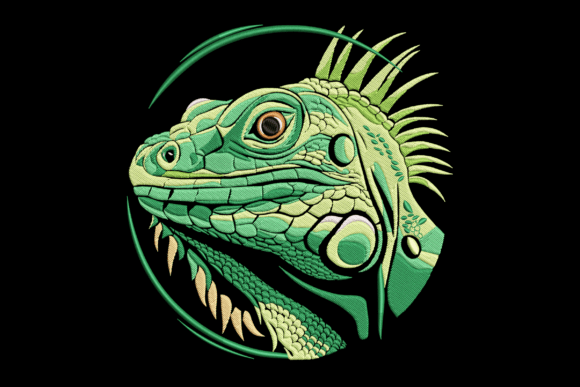
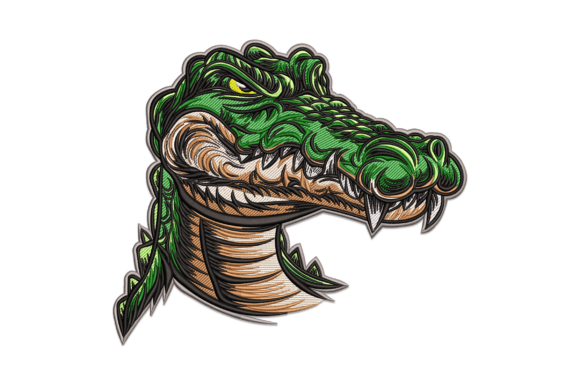
The first thing that strikes you about the Crocodile Alligator design is its assertive presence. It does not attempt to be overly cute or minimalist. Instead, it leans into a rugged, adventurous aesthetic that feels both classic and modern. The description highlights it as "bold and detailed," which suggests a design that relies on strong outlines and substantial fill areas. This visual weight makes it an excellent candidate for brands that want to project strength, durability, or a connection to the outdoors.
For a handmade product line or a local business, this design offers a distinct personality. It feels premium rather than playful, making it suitable for higher-end merchandise where perceived value matters. Whether you are running a pet brand with a reptile focus, an outdoor gear shop, or a creative studio with an edgy vibe, this Embroidery asset communicates confidence. However, because it is categorized under Reptiles, it naturally aligns with niche markets that appreciate wildlife motifs, but its stylistic execution allows it to cross over into general lifestyle branding if used creatively.
Real-World Applications for Small Business Merch
When evaluating a digital embroidery file for commercial use, I always ask: where will this live? The Crocodile Alligator design is versatile, but it shines brightest in specific applications. Here is how I envision it working for various small business scenarios:
- Embroidered Patches: This is arguably the best use case. A detailed crocodile or alligator translates beautifully into a patch format. Patches allow for higher stitch density without worrying about fabric puckering as much as direct embroidery. You can sell these as standalone accessories or offer them as add-ons for jackets and bags.
- Staff Uniforms and Aprons: For cafes, breweries, or outdoor tour companies, placing this design on the chest of a work shirt or the bib of an apron creates immediate brand recognition. It serves as a professional badge of identity.
- Cap Embroidery: A cap front provides a curved but stable canvas. If the design is scaled correctly, it becomes a striking focal point. However, curvature requires careful digitizing to ensure the text or details do not distort.
- Tote Bag Design: Canvas tote bags are sturdy enough to handle the weight of a bold design. Using the Crocodile Alligator here turns a simple bag into a statement piece, perfect for bookstore merch or eco-friendly brands.
These applications go beyond mere decoration. They turn the design into a functional part of your brand identity. When customers wear or use items featuring this motif, they become walking advertisements for your business.
Navigating Technical Challenges and Fabric Constraints
While the design is promising, experienced embroiderers know that detail can be a double-edged sword. The term "detailed" in the product description warrants caution. High detail often means high stitch density or very fine lines. If you plan to use this on small items, such as a child’s hat or a small pocket logo, you must verify the scalability.
Here are specific areas where you should exercise care:
- Small Patch Sizes: If you shrink the design too much, the fine details of the scales or eyes may merge, resulting in a muddy appearance. Always test the smallest size you intend to sell.
- Curved Surfaces: On caps or rounded sleeves, dense fills can cause pulling. Ensure your digitizer has accounted for pull compensation, or adjust your stabilizer strategy accordingly.
- Textured Fabric: If you are embroidering on terry cloth towels or fuzzy fleece, the intricate details of the Crocodile Alligator might get lost. In these cases, consider using a thicker thread or simplifying the color palette to maintain contrast.
- Dark Uniforms: If stitching on black or navy, ensure your thread colors have enough contrast. A dark green on black may vanish, whereas a bright teal or metallic gold would pop effectively.
It is also vital to consider washability. Items like aprons and work shirts undergo frequent laundering. A well-digitized file will hold up, but poor tension settings can lead to thread breaks or distortion over time. Always run a wash test on your finished product before selling it to clients.
Enhancing Brand Identity and Customer Trust
Consistency is key to building trust. Using a high-quality embroidery file like Crocodile Alligator signals professionalism. Sloppy embroidery with loose threads or misaligned designs can damage a brand’s reputation, while crisp, clean stitching enhances perceived value. This design, when executed properly, adds a layer of sophistication to custom apparel and small business merch.
Furthermore, unique design assets help you stand out in saturated markets like Etsy. Instead of using generic clipart, a specialized reptile design allows you to carve out a niche. It appeals to customers looking for something specific and well-crafted. When you present this design in a printable mockup or on actual samples, it helps buyers visualize the quality they are purchasing, thereby increasing engagement and conversion rates.
Practical Designer Notes for Production
Before you load this file into your machine for a large order, follow these practical steps to ensure success:
- Test in Black and White: Print or stitch the design in monochrome first. This helps you see the structure and spacing without the distraction of color. If it looks good in black and white, it will look great in color.
- Check Hoop Size Compatibility: Confirm that the design fits within your standard hoop size. If it requires a large hoop, ensure your machine can handle it and that your fabric pieces are cut large enough to accommodate the frame.
- Use Proper Stabilizer: For a bold design, a cut-away stabilizer is often recommended for garments that will be washed frequently, while tear-away might suffice for patches or home decor items that see less stress.
- Verify Commercial Licensing: Always check the license terms included with the Crocodile Alligator Embroidery Design. Ensure you have the right to use it for commercial purposes, especially if you are selling the finished products.
- Create Client Mockups: If you are doing this for a client, create a realistic mockup showing the design on their specific garment. This manages expectations and reduces the likelihood of revisions later.
In conclusion, the Crocodile Alligator design is a robust asset for any designer looking to add a touch of wild elegance to their portfolio. By respecting its technical requirements and leveraging its bold aesthetic, you can create memorable commercial embroidery pieces that drive sales and strengthen brand loyalty. Always remember to check the specific file details provided by the creator, as stitch count and format variations can impact your workflow. With careful preparation, this design can become a staple in your collection of design assets.