Medieval Peasant: A Designer’s Review for Brand Merch
As an embroidery designer who has spent years digitizing files for small businesses, I approach every new machine embroidery design with a critical eye. It is not enough for a design to look pretty on a screen; it must perform under the needle, withstand washing, and communicate brand value. Recently, I reviewed Medieval Peasant, a detailed piece from the Fairy Tales category, to determine its viability for commercial use. This review focuses on how this specific embroidery file can serve boutique owners, café operators, and handmade brands looking to elevate their visual identity.
First Impressions: Rustic Charm Meets Professional Detail
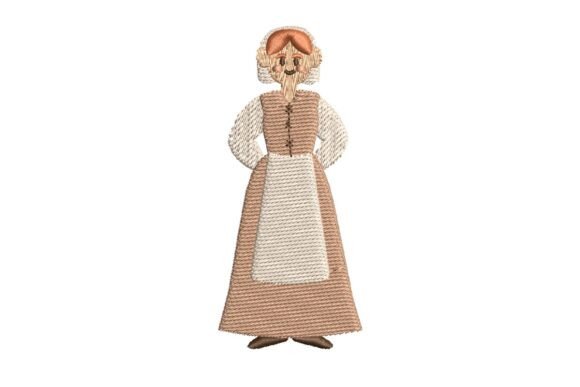
The first thing that strikes you about Medieval Peasant is its narrative quality. The design features a woman in a simple, traditional outfit, characterized by a long brown dress, a crisp white apron, and a head covering. Visually, it evokes a sense of rustic authenticity and handmade warmth. For businesses in the artisanal sector—such as bakeries, florists, or heritage craft shops—this aesthetic is invaluable. It does not scream "modern corporate"; instead, it whispers "tradition" and "care."
From a technical standpoint, the description suggests a balance of solid fills and detailed outlines. The contrast between the brown dress and white apron is crucial. In embroidery, high-contrast elements help define shapes from a distance. If executed well, this design offers a friendly yet premium feel, suitable for brands that want to appear approachable but established.
Strategic Applications for Small Business Merch
When considering where to place Medieval Peasant, we must look beyond standard t-shirts. This design shines in specific contexts where storytelling enhances the customer experience.
- Apron Embroidery: This is perhaps the most natural fit. For a bakery or a farm-to-table café, embroidering this figure on staff aprons creates an immediate thematic connection. The white apron in the design mirrors the actual garment, creating a clever visual link.
- Embroidered Patches: Creating woven or embroidered patches allows for versatile branding. These can be sewn onto tote bags, denim jackets, or canvas goods. A patch format also allows customers to buy the merchandise as a collectible item, increasing average order value.
- Tote Bag Design: Canvas totes are staples for boutique retail. Placing this design on the lower corner or center of a heavy-duty canvas bag turns a simple carrier into a statement piece. The rustic theme aligns perfectly with eco-friendly and sustainable brand messaging.
- Cap Embroidery: While possible, cap placement requires caution. The curved surface of a baseball cap can distort detailed figures. If used here, it should be simplified or placed on the side panel rather than the front crown to maintain integrity.
Navigating Technical Challenges and Fabric Constraints
While the artistic merit of Medieval Peasant is clear, practical application requires careful planning. As a designer, I always advise testing before full production. Here are the critical factors to consider:
Stitch Density and Fabric Texture
The description mentions a "detailed" design. In embroidery, detail often correlates with higher stitch density. If the stitch count is too high for lightweight fabrics, the material may pucker or tear. Always test this digital embroidery file on the exact fabric weight you intend to use. For delicate silks or thin cottons, a lighter backing or a different stabilizer may be required. Conversely, on heavy denim or canvas, the design should hold up well, provided the needle size is appropriate.
Color Contrast and Thread Selection
The success of this design relies heavily on the distinction between the brown dress and the white apron. When working on dark uniforms, such as navy or black staff shirts, the brown tones might get lost. In such cases, consider adjusting the thread colors slightly lighter to ensure visibility. Always run a test stitch-out to check if the details merge into a muddy blob from a distance. Clarity is key for brand recognition.
Hoop Size and Placement
Before purchasing, verify the available hoop size options. A design that is too large for a standard 4x4 hoop may require re-digitizing or scaling down, which can compromise detail. Ensure the final dimensions fit your intended product area, whether it is a chest logo or a sleeve detail.
Enhancing Brand Identity and Customer Trust
Why choose a character-driven design like Medieval Peasant over a simple text logo? Because it builds emotional connection. In the world of small business merch, customers are buying into a story. A fairy tale-inspired motif suggests whimsy, history, and craftsmanship. This enhances brand identity by differentiating your products from generic competitors.
When customers see consistent, high-quality custom apparel featuring unique art, their trust in your professionalism increases. It signals that you care about the details, just as you care about your core product. Whether used as a subtle accent on packaging or a prominent feature on a uniform, this design adds perceived value to the finished product.
Practical Designer Notes for Production
To ensure the best results with this design asset, follow these steps before launching your campaign:
- Test in Black and White: Print or stitch the design in monochrome first. This reveals if the shapes are distinct without relying on color contrast.
- Check Scalability: Reduce the design to the smallest size you plan to use (e.g., a small patch). If the facial features or apron details disappear, it may be too complex for tiny applications.
- Verify Licensing: Confirm that the commercial embroidery license covers your intended use. Some files allow unlimited physical sales but restrict digital redistribution.
- Create a Printable Mockup: Use software to visualize the design on your specific products. This helps in marketing materials and client approvals before you spend time on machine setup.
- Use Proper Stabilizer: Given the potential density, use a cut-away stabilizer for stretchy fabrics and a tear-away for stable wovens to prevent distortion.
In conclusion, Medieval Peasant is a strong contender for businesses aiming to project a rustic, artisanal, or story-driven image. While it requires careful attention to stitch density and color contrast, its potential for enhancing handmade product appeal is significant. By treating this embroidery file as a strategic brand asset rather than just decoration, you can create memorable merchandise that resonates with your audience.