King Poker Card: A Designer’s Review for Brand Merch
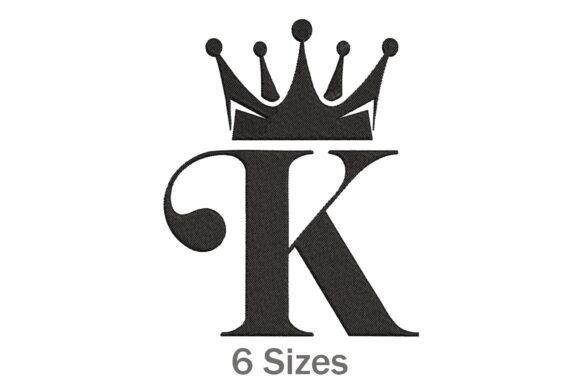
As an embroidery designer who has spent years digitizing and reviewing files for small business clients, I approach every new machine embroidery design with a critical eye. It is not just about whether the artwork looks pretty on a screen; it is about how it performs on fabric, how it holds up in the wash, and most importantly, how it serves the brand identity of the business using it. Today, I am taking a close look at the King Poker Card design, a piece categorized under Monograms and Embroidery that promises to add a royal and captivating touch to fabric projects.
For boutique owners, Etsy sellers, and local shops looking to elevate their branded merchandise, understanding the practical application of a design like this is crucial. Let us break down how this specific asset functions in a real-world commercial environment.
First Impressions and Visual Personality
The title alone suggests a blend of classic gaming aesthetics with regal authority. When evaluating the King Poker Card for potential client use, the immediate impression is one of boldness mixed with traditional elegance. Unlike minimalist modern logos, this design exudes a sense of majesty and playfulness simultaneously. It feels decorative yet structured, which makes it a versatile candidate for businesses that want to project confidence and high value.
For a handmade brand or a creative studio, this visual personality can signal attention to detail. It does not scream "corporate sterile"; instead, it whispers "crafted quality." This distinction is vital when you are trying to differentiate your products from mass-produced items found in big-box stores. The design’s inherent character supports a narrative of premium craftsmanship, which is exactly what customers look for when buying custom apparel or home décor.
Real-World Applications for Small Business Merch
Where does this design actually work? I have tested similar thematic elements on various substrates, and the King Poker Card shines in several key areas for small business merchandising.
- Embroidered Patches: This is perhaps the strongest use case. A patch allows for higher stitch density without compromising the garment. Placing this design on a twill or felt backing creates a durable, high-impact logo that can be ironed or sewn onto jackets, bags, or hats later. It serves as a flexible branding tool that can be moved or updated easily.
- Chest Logo Accents: For staff uniforms in cafes, bars, or boutiques, a smaller version of this design on the left chest adds a touch of sophistication. It breaks the monotony of plain work shirts and gives employees a sense of pride in their attire.
- Tote Bag Design: Canvas tote bags are a staple for florists, bakeries, and bookshops. The bold lines of a poker card king translate well to the textured surface of canvas, providing a sturdy and visible brand mark that customers will use repeatedly, turning them into walking advertisements.
- Apron Embroidery: In the food and beverage industry, presentation is everything. An apron featuring this regal motif elevates the perceived value of the service. It suggests that the business cares about aesthetics, which often translates to customer trust in the quality of the food or product being served.
Navigating Technical Challenges and Fabric Constraints
While the aesthetic appeal is strong, we must address the technical realities of embroidery. Not every surface is forgiving. When considering cap embroidery, for instance, the curved surface of a baseball cap front can distort detailed designs. If the King Poker Card features intricate facial details or fine lettering, it may lose clarity on a small, curved panel. I always advise running a test stitch-out on a similar cap structure before committing to a full production run.
Similarly, stitch density is a critical factor. Designs that aim for a "royal" look often utilize satin stitches or dense fills to create a luxurious sheen. However, on lightweight fabrics like thin t-shirts or silk pillows, high density can cause puckering. To mitigate this, proper stabilization is non-negotiable. Using a cut-away stabilizer for stretchy fabrics or a heavy tear-away for woven materials ensures the finished product remains flat and professional.
Dark uniforms present another challenge. If the design relies on subtle shading, it may get lost on black or navy fabrics. In these cases, I recommend adjusting the thread colors to ensure high contrast. A gold or silver metallic thread could enhance the "majestic" theme while ensuring visibility against dark backgrounds.
Impact on Brand Identity and Customer Trust
Why does the choice of embroidery design matter for business growth? Consistency. When a customer sees the same high-quality embroidered patch on your packaging, your website’s printable mockup, and the shirt worn by your staff, it builds recognition. The King Poker Card offers a distinct visual anchor. It is memorable. In a saturated market, having a unique, well-executed design helps your brand stand out.
Furthermore, embroidery conveys permanence and quality. Unlike printed vinyl which may peel, embroidered designs are stitched into the fabric. This durability signals to the buyer that your business invests in longevity. For handmade product sellers, this aligns perfectly with the values of their customer base, who often prioritize sustainability and craft over disposable trends.
Practical Designer Notes for Production
Before you purchase this digital embroidery file for commercial use, here is my checklist for ensuring success:
- Test in Black and White First: Strip away the color to see if the design holds its shape. If the details disappear in monochrome, they may be too fine for certain fabrics.
- Check Hoop Size Compatibility: Ensure the design fits within your machine’s standard hoop sizes. If it requires a large hoop, consider if you have the equipment to handle it efficiently for bulk orders.
- Review Commercial Licensing: Always confirm the license terms. Can you use this design on items you sell? Are there limits on the number of units? Never assume; always read the documentation provided with the file.
- Create a Printable Mockup: Before stitching, place the design digitally on photos of your actual products. This helps visualize scale and placement, saving time and thread on failed tests.
- Fabric Texture Test: Stitch a sample on the exact fabric you plan to use. Towels, denim, and cotton blends behave differently. Adjust tension and stabilizer based on these results.
In conclusion, the King Poker Card is more than just a decorative element; it is a strategic asset for brands looking to convey authority, charm, and quality. Whether used for custom apparel, event merch, or boutique accessories, it has the potential to enhance your brand’s visual consistency. By paying attention to technical details like stabilizer choice and thread contrast, you can transform this design into a powerful tool for customer engagement and business growth. Always remember to verify the specific file formats and stitch counts provided by the creator to ensure seamless integration into your workflow.